Buying guide
The Best Wood for Chopping and Serving Boards
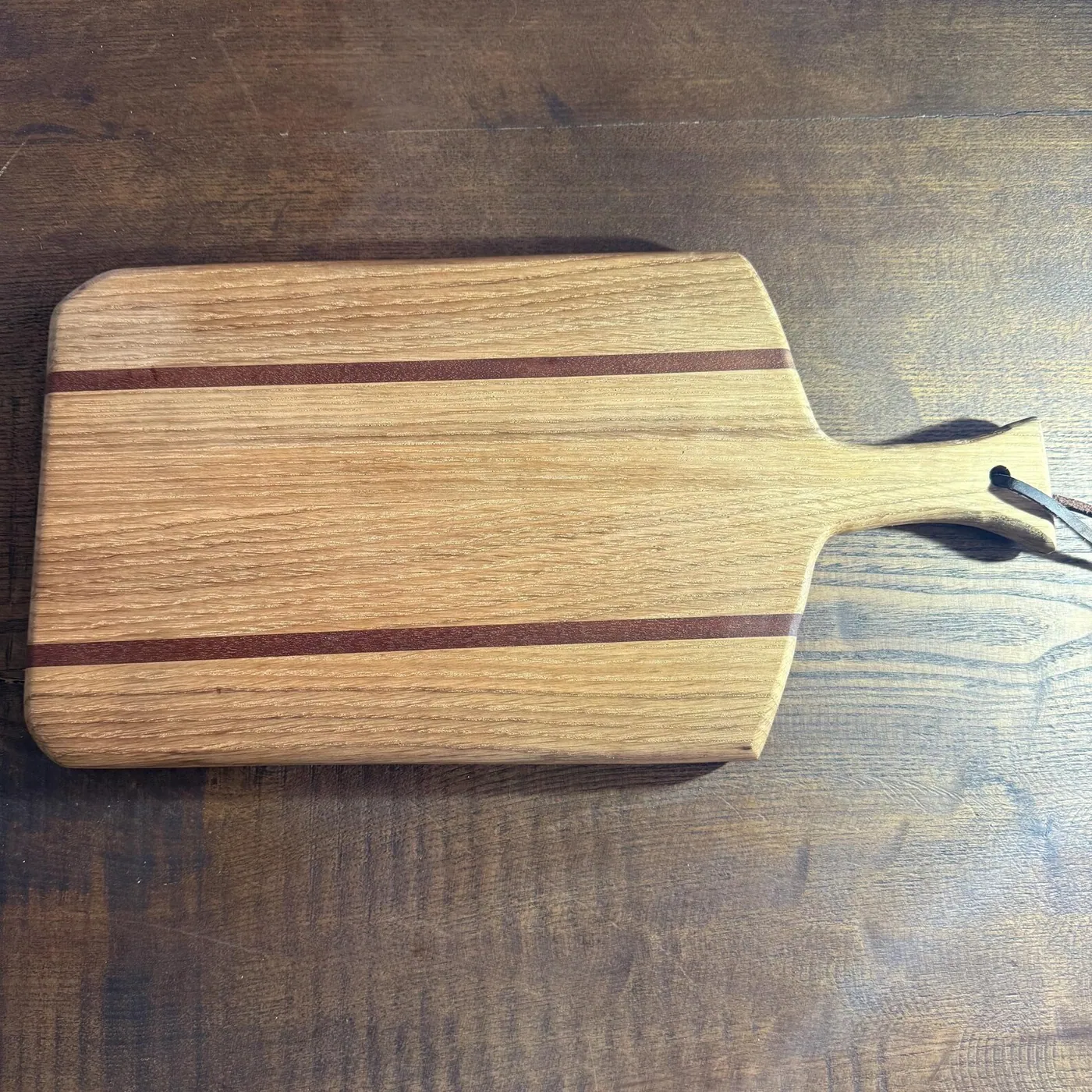
Not all wood belongs in the kitchen. A good board needs a hardwood that's dense enough to resist knife marks, kind to your blades, and safe around food. Here's how the timbers we work with compare — and what actually matters when you're choosing.
What makes a good board wood?
- Hard-wearing — dense enough to shrug off knife marks (which is also more hygienic).
- Kind to knives — hard, but not so hard it blunts your blades.
- Close-grained — a tight grain leaves fewer places for moisture and food to lodge.
- Food-safe — no resinous or toxic woods.
The timbers we use
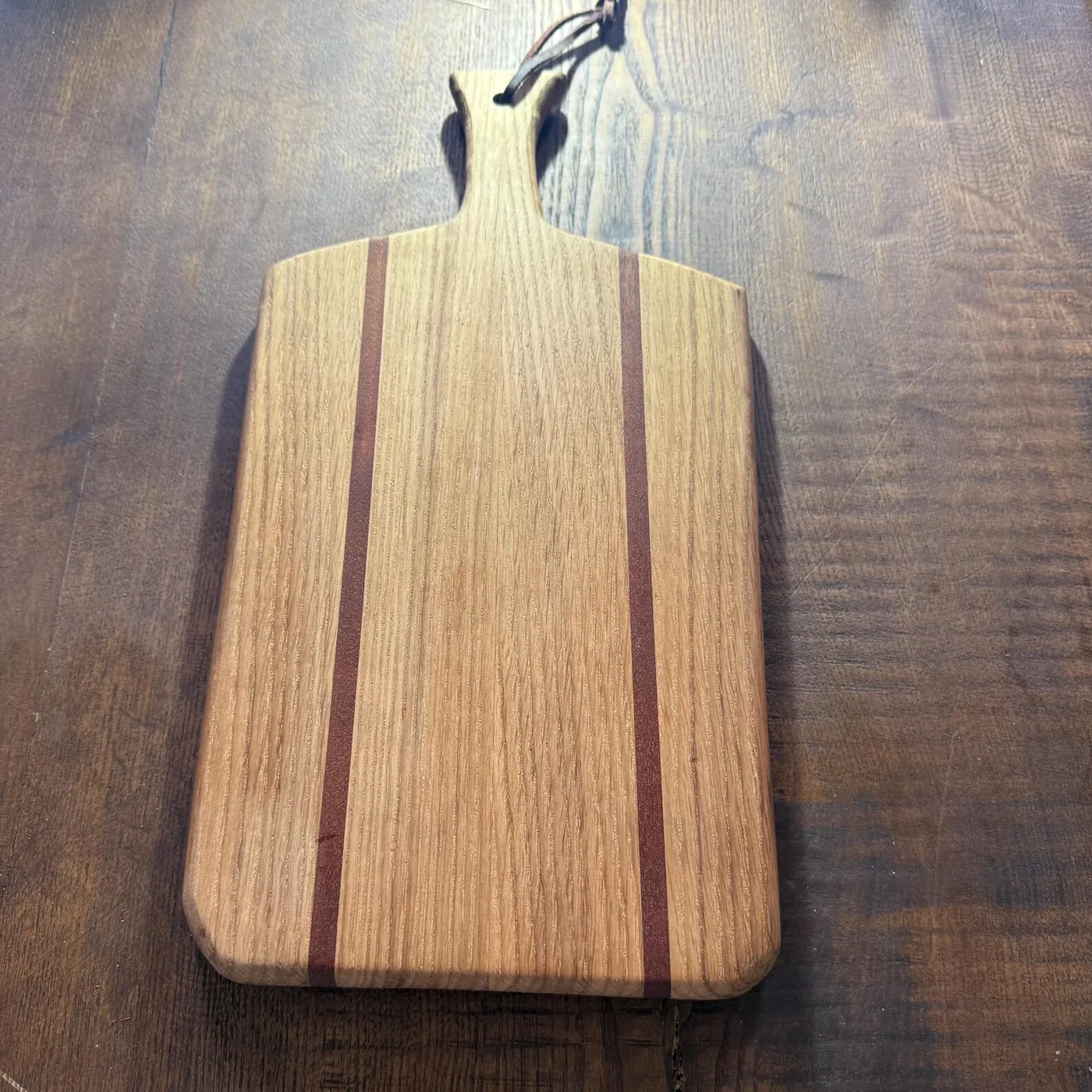
Oak — a British classic. Strong, characterful and beautiful, with that unmistakable open grain. It's hard-wearing and, properly oiled, makes a striking serving and cheese board.
Sapele — a rich, reddish hardwood related to mahogany. Dense, stable and lovely paired with oak for contrast, which is exactly why we use the two together in our charcuterie boards.
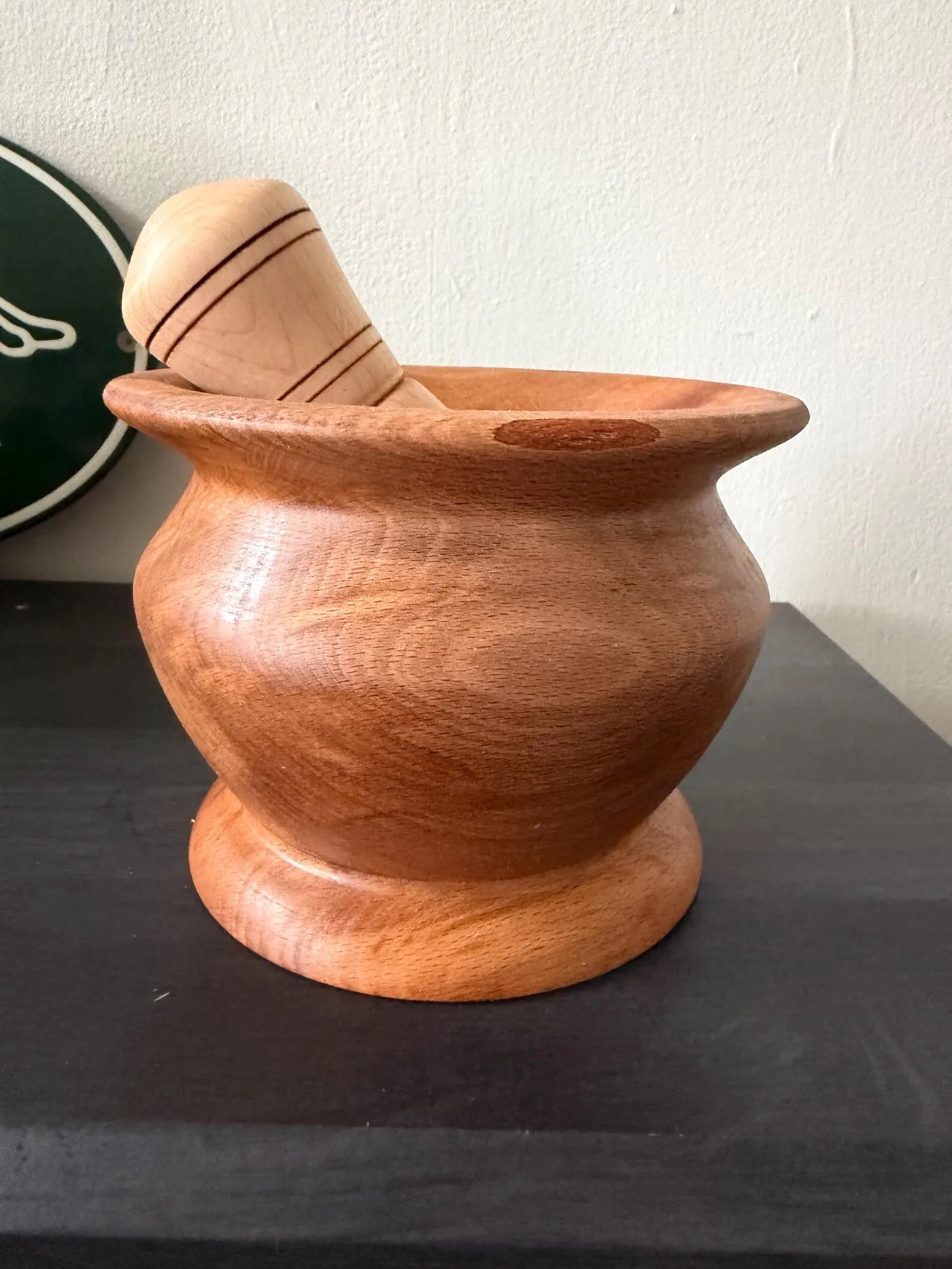
Maple — the cabinet-maker's favourite for chopping. Hard, pale and very close-grained, it resists marks and is gentle on knives — one reason we turn our pestle and mortars from it.
Beech — the traditional European choice for kitchenware. Smooth, durable and close-grained, hard-wearing without being harsh on blades.
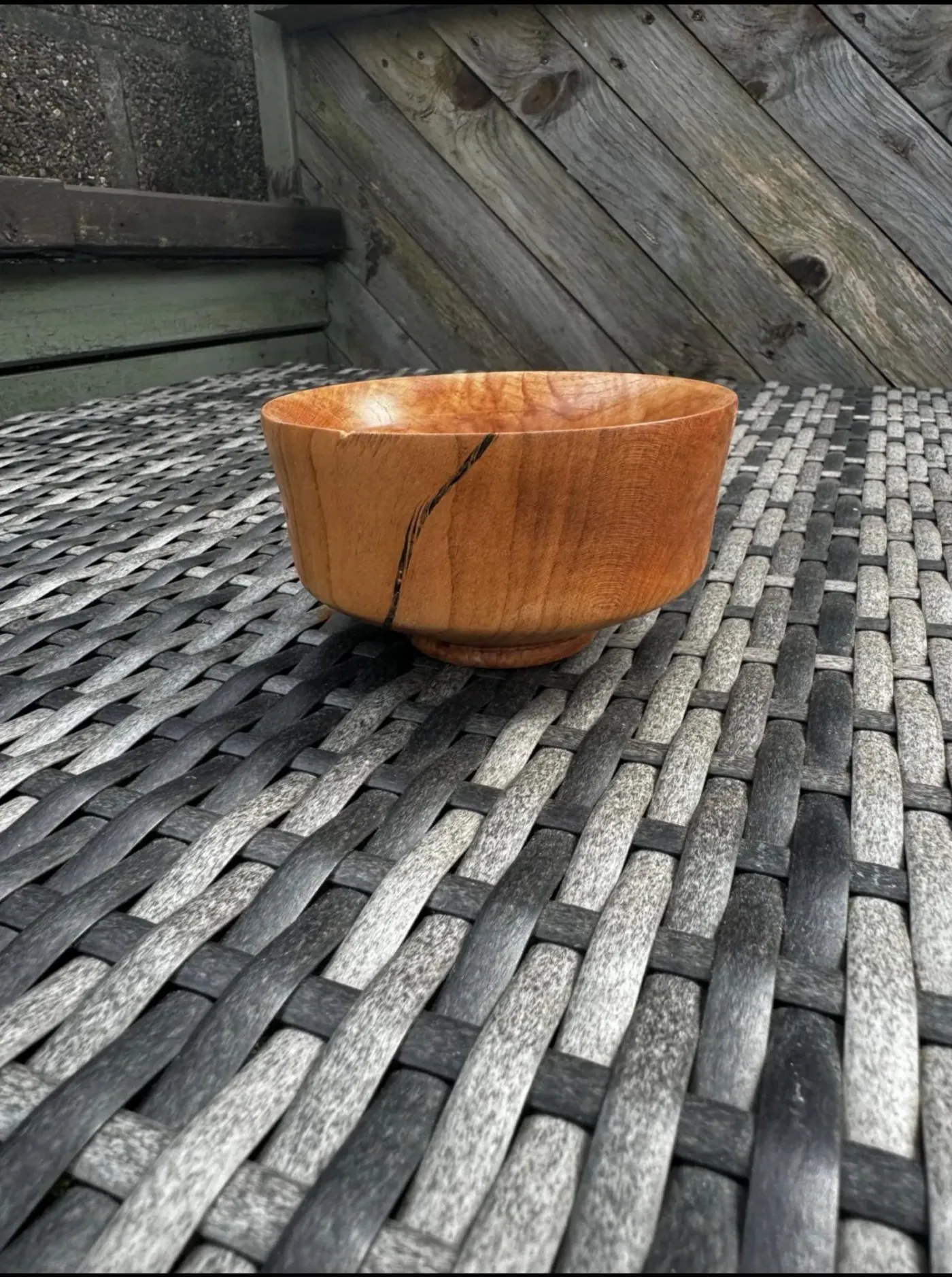
Ash — pale, springy and full of character. We love it for turned bowls and our twig vases; its open grain makes it best suited to decorative and serving pieces rather than heavy daily chopping.
End grain vs edge grain
You'll see boards described as 'end grain' or 'edge grain'. End-grain boards (the chequerboard look) let the knife slip between the wood fibres, so they hide marks and are very hard-wearing — but they're heavier and pricier. Edge-grain boards, like ours, show the long grain, are lighter and more stable, and — kept oiled — give years of beautiful service. Both are excellent; it comes down to look, weight and budget.
Frequently asked questions
Is oak good for a chopping board?
Yes — oak is hard-wearing and beautiful. Its grain is more open than maple, so keep it well-oiled; it makes a superb serving and cheese board.
What is the most hygienic wood for a chopping board?
Close-grained hardwoods like maple and beech give bacteria the fewest places to hide. Any wooden board is naturally antibacterial when kept clean, dry and oiled.
End grain or edge grain — which should I buy?
End grain hides knife marks and is heavier and dearer; edge grain is lighter, stable and excellent value. Both last for years when looked after.
From the workshop
Pieces you might like
Keep reading
Handcrafted to last a lifetime
Every board, bowl and vase is turned by hand in Nottinghamshire from quality timber, finished with food-safe oil and shipped free across the UK.